
Find the Right Travel Backpack for Every Journey
Expert reviews, detailed buying guides, and hands-on testing to help you choose the durable companion your next adventure needs.
Featured Travel Backpack Categories
Find the right pack for your travel style — carry-on, laptop, lightweight, or built for a woman’s frame.
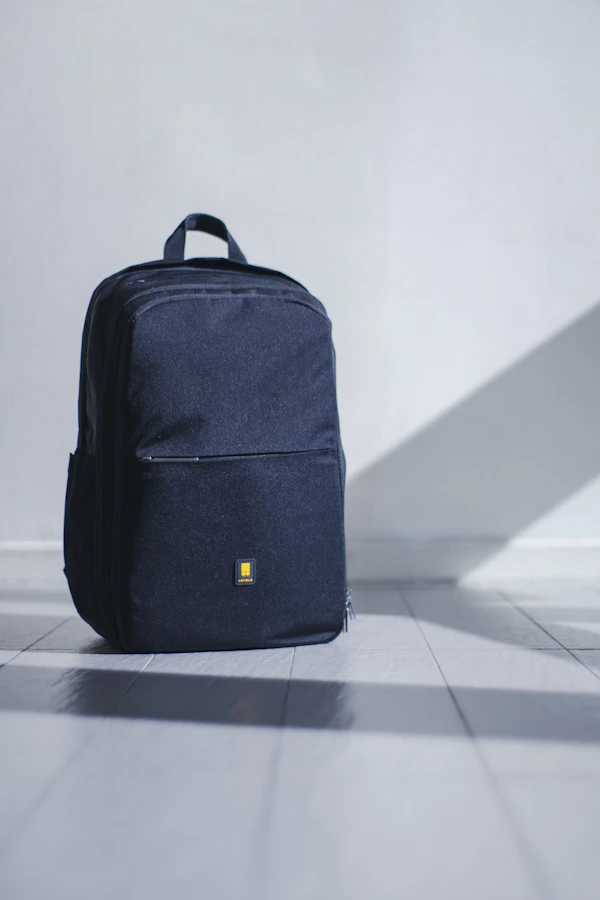

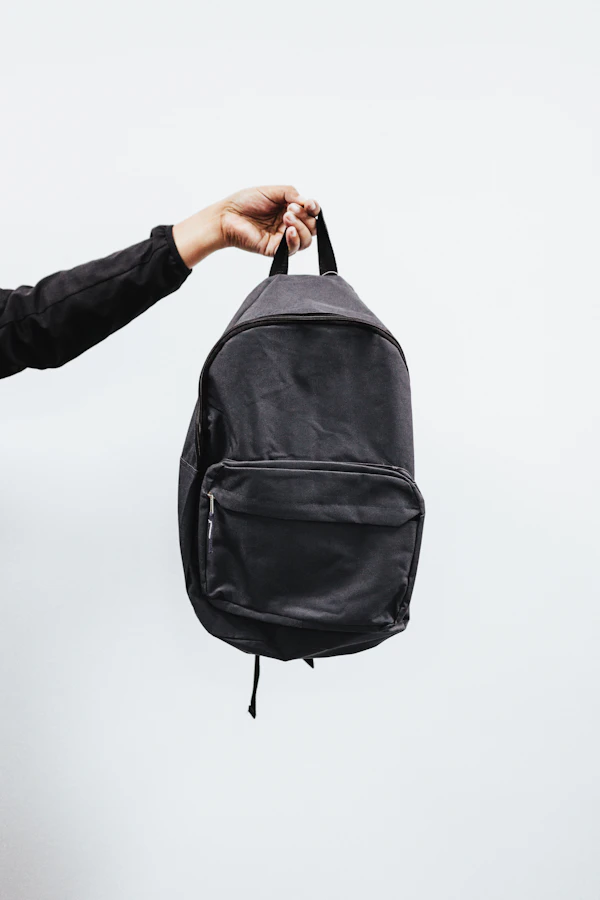
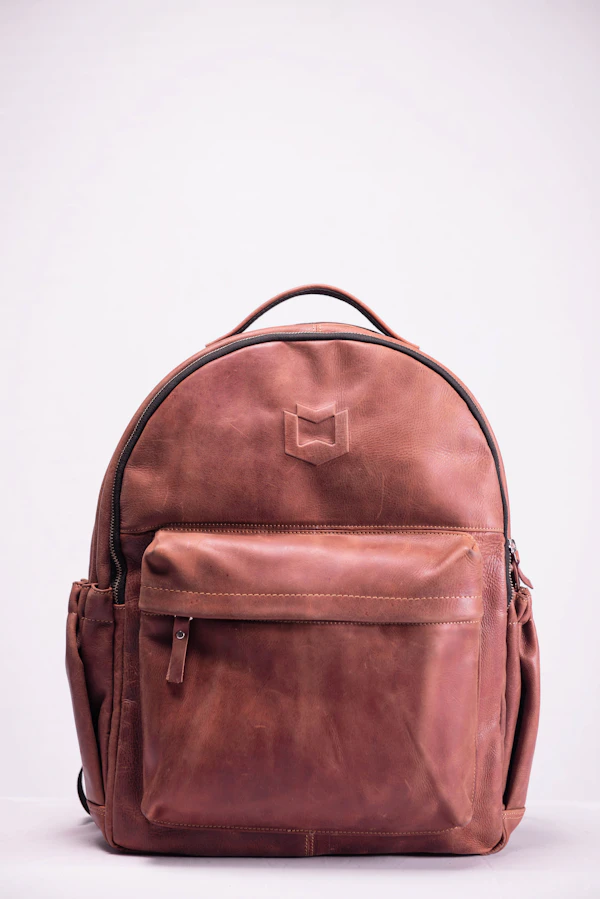

Best Travel Backpacks (Top Picks)
Don’t waste hours researching. Here’s a quick breakdown of the best travel backpacks we’ve tested, based on real trips — not spec sheets.
| Backpack Model | Best For | Key Feature | Price Range | Our Review |
|---|---|---|---|---|
| Osprey Farpoint 40 | International Travel | Comfortable harness & lifetime warranty | Mid-Range | Read Review |
| Cotopaxi Allpa 35 | Carry-On Travel | Suitcase-style opening & unique colors | Mid-Range | Read Review |
| Tomtoc 40L | Budget Travel | Excellent tech storage & affordable price | Budget | Read Review |
| Peak Design Travel | Digital Nomads | Sleek minimalist look & camera gear safety | Premium | Read Review |
Why Trust FineBackpack
We don’t scrape specs off a manufacturer’s website and call it a review. Every pack on this site is bought, packed, and carried on real trips before we write a single word.
See how we test →
Years Tracking the Gear Market
We follow airline carry-on rule changes, fabric tech shifts (X-Pac, Cordura updates), and brand redesigns as they happen — so a review written this year reflects this year’s version of the pack, not an outdated spec sheet.
Side-by-Side, Not In Isolation
No pack gets reviewed alone. We weigh it against its closest direct competitors on real capacity, weight distribution, and price-per-liter — so you see how it actually stacks up, not just whether it’s “good.”
Hands-On, Not Just Spec Sheets
We physically check zipper pull strength, stitching on the shoulder straps, and how the harness holds up loaded — then cross-check that against feedback from long-term owners to catch what a spec sheet misses.
Tested Where Backpacks Actually Live
Airport security lines, tight overhead bins, cobblestone streets — not a studio table. If a pack can’t survive an actual trip, it doesn’t get a “Best For” badge here.
Travel Backpack Resources
Everything you need to know about gear selection, packing frameworks, airline regulations, and long-term maintenance.
Backpack Basics
Understanding the fundamental architecture, materials, and anatomy of a durable travel pack.
Explore Types →What Size Backpack Do I Need?
A step-by-step sizing guide to match your trip duration with the exact required volume in liters.
Find Your Size →How to Pack a Backpack
Maximize your space and improve weight distribution using expert packing zone methodologies.
Learn Technique →Backpack Airline Rules
Navigate the complex dimensional sizing constraints of global budget airlines without paying extra.
View Dimensions →Backpack Maintenance
Keep your performance fabrics and technical coatings pristine without ruining them.
Clean Properly → The Gear Critic
🎒 Gear & Travel Reviewer Independent backpack tester covering carry-on, travel, and everyday gear since 2023. Full bio & testing method → |
✍️ About The Author The Mind Behind Fine BackpackI started Fine Backpack after one too many trips ruined by a bag that looked great online and fell apart in the real world — a snapped zipper in Bangkok, a soaked laptop compartment in Lisbon. Every review here starts from that same frustration: gear should work as hard as you do. Every pack featured on this site is bought, packed, and carried through actual travel — airport security lines, overhead bins, cobblestone streets — before a single word gets written. No manufacturer samples, no sponsored placements. Just what held up and what didn’t. “A great backpack isn’t just luggage; it’s your mobile home on the road. This platform is my contribution toward smarter, more seamless journeys for global adventurers.” |
Latest Travel Backpack Reviews
- Best Carry-On Backpack for International Travel: Top Picks & Reviews

- Osprey Poco vs. Osprey Poco Plus: A Detailed Child Carrier Comparison
- The Complete Guide to Different Types of Backpacks and Their Uses
- The 10 Best Laptop Backpacks for Petite Females: Fit & Style Guide
- How to Pack a Backpack (Best Way for Travel, Hiking & Daily Use)
- Is a Backpack a Personal Item? (Airline Rules, Size & Tips)


Frequently Asked Questions
Clear answers to the most common queries regarding travel gear specifications, airline sizing frameworks, and backpack ergonomics.
For a 2-week journey, a travel backpack with a capacity between 35L to 45L is ideal. This range gives you enough volume to pack essentials using lightweight packing cubes while easily fitting into most international airline carry-on overhead bins, saving you baggage fees.
A carry-on backpack (usually 35L-45L) goes into the overhead bin, matching dimensions around 22x14x9 inches. A personal item backpack (usually 20L-30L) is smaller and must fit completely under the airplane seat in front of you. Check your specific airline’s dimensional constraints before boarding.
No, you should never wash a technical travel backpack in a washing machine. The agitation can destroy the polyurethane water-resistant coatings, damage the internal frame sheets, and rip the shoulder strap mesh padding. Always clean your pack using a soft brush, lukewarm water, and mild detergent.
Look for high-denier technical performance fabrics such as Cordura nylon, Ballistic nylon, Ripstop nylon, and premium laminated fabrics like X-Pac. Fabrics with a higher denier rating (e.g., 500D to 1680D) offer exceptional abrasion resistance and puncture defense.
Travel backpacks feature a clamshell (suitcase-style) opening for easy packing, lockable zippers, hidden harness systems for airplane transit, and dedicated laptop compartments. Hiking backpacks are top-loading, taller, narrower, and focus heavily on ventilation loops, hydration bladders, and rugged external gear attachments.
Roll-top backpacks offer excellent weather resistance and expandable volume, making them great for day trips. However, for major international travel, they lack organizational pockets and make accessing items at the bottom difficult. Clamshell or panel-loading packs remain the superior choice for luggage organization.
A load-bearing hip belt is critical for ergonomic health. It transfers up to 70% to 80% of the pack’s total weight away from your shoulders and spine down to your stronger pelvic hip bones. This prevents neck fatigue, lower back pain, and shoulder strain during long transit walks.
YKK is the world’s leading and most reliable zipper manufacturer. Technical packs use YKK RC (Racquet Coil) zippers or AquaGuard water-repellent sliders. Since zipper failure is the number one reason backpacks become useless, investing in a bag with genuine YKK hardware ensures longevity.
Packing cubes act like modular drawers inside your travel gear. They compress your clothing items, eliminate dead space, prevent wrinkling, and allow you to access specific items without unpacking your entire backpack at airport security checkpoints.
No, most travel packs are water-resistant, not 100% waterproof. They can easily survive a moderate rain shower due to DWR (Durable Water Repellent) coatings. However, water can still seep through raw stitching lines and zipper tracks under heavy downpours. Always carry a dedicated rain cover for emergency monsoon tracking.
A TSA-approved laptop sleeve folds out completely flat on the security conveyor belt (leaving a clear view of the laptop body). This layout allows digital nomads to pass through airport security scanners without physically taking the computer out of the bag.
First, loosen all straps and put the pack on. Fasten the padded hip belt directly over your hip crest bone. Next, pull the shoulder straps down to secure the fit, and adjust the load lifters (at the top of the shoulders) to a 45-degree angle to bring the weight closer to your back center of gravity.